US Ski Visits Plunge by 9 Million: What Went Wrong in the West?


The numbers are in, and they’re ugly — at least if you ski west of the Rockies.
The National Ski Areas Association just dropped preliminary data for the 2025-26 season: 52.6 million skier visits nationally. That’s down roughly 9 million from last year, a 9.1% drop below the 10-year average, and ranks as the 32nd-worst season out of 48 years on record. Not catastrophic. But not good.
The culprit? The West ran out of snow.
A Tale of Two Seasons
National average snowfall hit 112 inches — down 33% from the 10-year average of 169 inches, and the lowest total in over a decade. Every Western region came in well below average. Rain events, a slow start, and record March warmth torched what snowpack there was. The Rockies and Pacific regions got hammered.
Meanwhile, the East absolutely cooked.
The Northeast and Southeast both posted their second-best seasons of the last decade. The national headline number obscures what was actually a strong winter for millions of skiers on the right side of the country.
Regional breakdown tells the whole story:
• Rocky Mountain: 20.1M visits
• Northeast: 12.9M
• Midwest: 5.8M
• Pacific Southwest: 5.7M
• Southeast: 4.8M
• Pacific Northwest: 3.2M
The Rockies still lead, but they dragged the whole industry down with them this year.
The Snowmaking Hedge Is Working
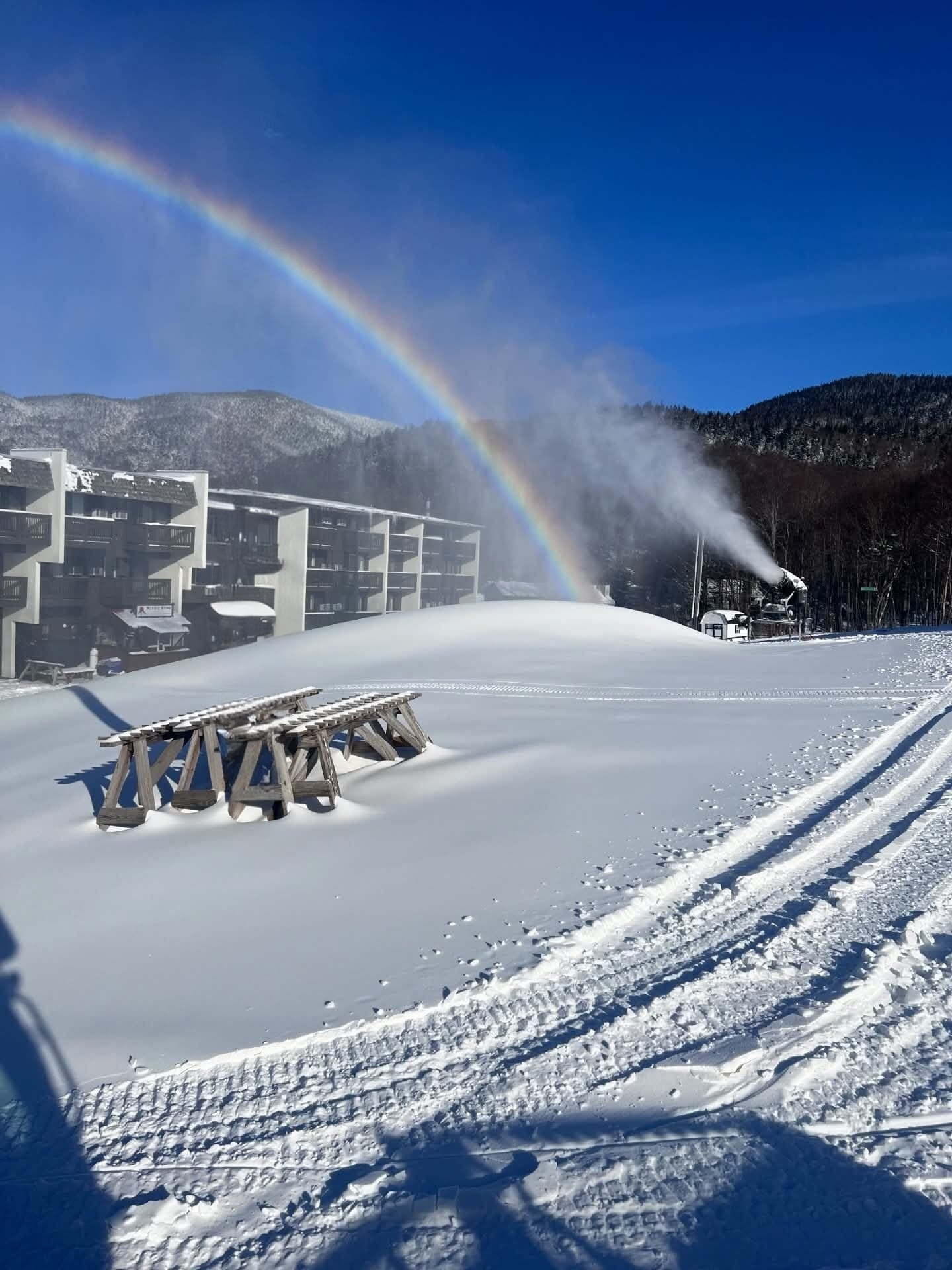
Here’s what’s actually impressive: despite a 33% snowfall collapse, operating days barely moved. Resorts have invested heavily in snowmaking infrastructure, and that investment bought them meaningful protection against a brutal natural snow year. Capital expenditures came in at $569.3 million — 45 new lifts installed, 52 upgraded, and $22.24 reinvested per skier visit. The industry is not standing still.
This is the right strategy. Climate variability isn’t going away. The resorts that survive the next 20 years will be the ones that treat snowmaking as core infrastructure, not a backup plan.
The Pass Market Is Maturing
Season passes accounted for 49% of national visits. Daily and multi-day tickets made up 31%. The NSAA is calling this a “maturing market” — pass growth has leveled off over the last two years. That’s not a bad thing. A stable, predictable pass base gives resorts financial runway to weather exactly the kind of season the West just had. It’s essentially built-in revenue insurance.
The days of explosive pass growth are probably behind us, but the base that exists is stickier and more loyal than the transactional day-ticket crowd ever was.
Bottom Line
Western mountain towns took a real hit. Jobs, retail, hospitality — all of it tied to snowpack that didn’t show up. That’s the economic reality behind a 9-million-visit decline.
But the structural story is more interesting than the weather story. The industry’s capital investment is holding. The pass base is sticky. The East proved that when conditions cooperate, demand is absolutely there. And if history holds, a low-snow year typically sets up a stronger rebound the following season.
I’ll be watching the West closely this fall. Either the atmosphere delivers, or the snowmakers do. Either way, this industry doesn’t quit.
About DanSkiAndBuild.com
DanSkiAndBuild.com is where two obsessions collide: skiing and building. This blog covers the ski industry from the inside out — resort economics, snowpack data, pass market dynamics, corporate vs. independent ownership, and what it all means for the skiers, mountain towns, and communities that depend on a healthy winter economy. It’s not a gear review site. It’s not a travel log. It’s analysis with a point of view, written by someone who lives in the mountains, holds a season pass, and thinks seriously about how the ski industry works and where it’s headed. If you want takes that pull punches, you’re in the wrong place.
About the Author
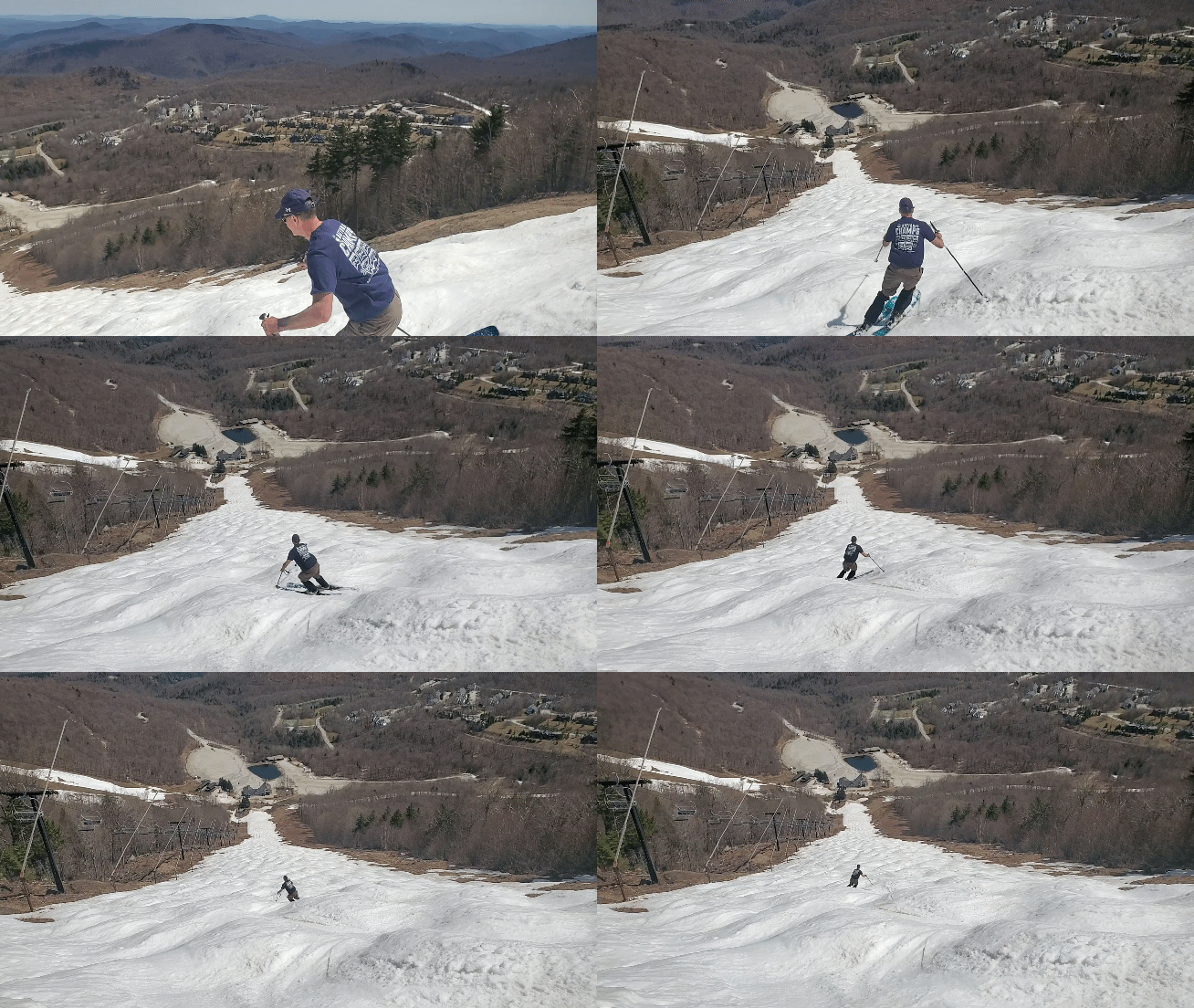
Daniel Kaufman is a real estate developer, investor, and founder of Kaufman & Company, with active projects across Maine, New England, and beyond. He’s also a Sunday River season passholder based in Newry, Maine, with a front-row seat to Western Maine’s mountain economy and a genuine stake in the ski industry’s future. When he’s not structuring deals or writing about housing markets, he’s on the hill — and thinking about the intersection of capital, community, and snow. Follow him on at @DanSkiAndBuild