Big Corporate Ski Is Dead Wrong About Spring Demand
While Boyne and Vail were pulling the plug in March, a small resort in the Pennsylvania Poconos was skiing into May — and drawing guests from Cleveland, Chicago, and Nashville to prove it.
By Daniel Kaufman · @DanSkiAndBuild
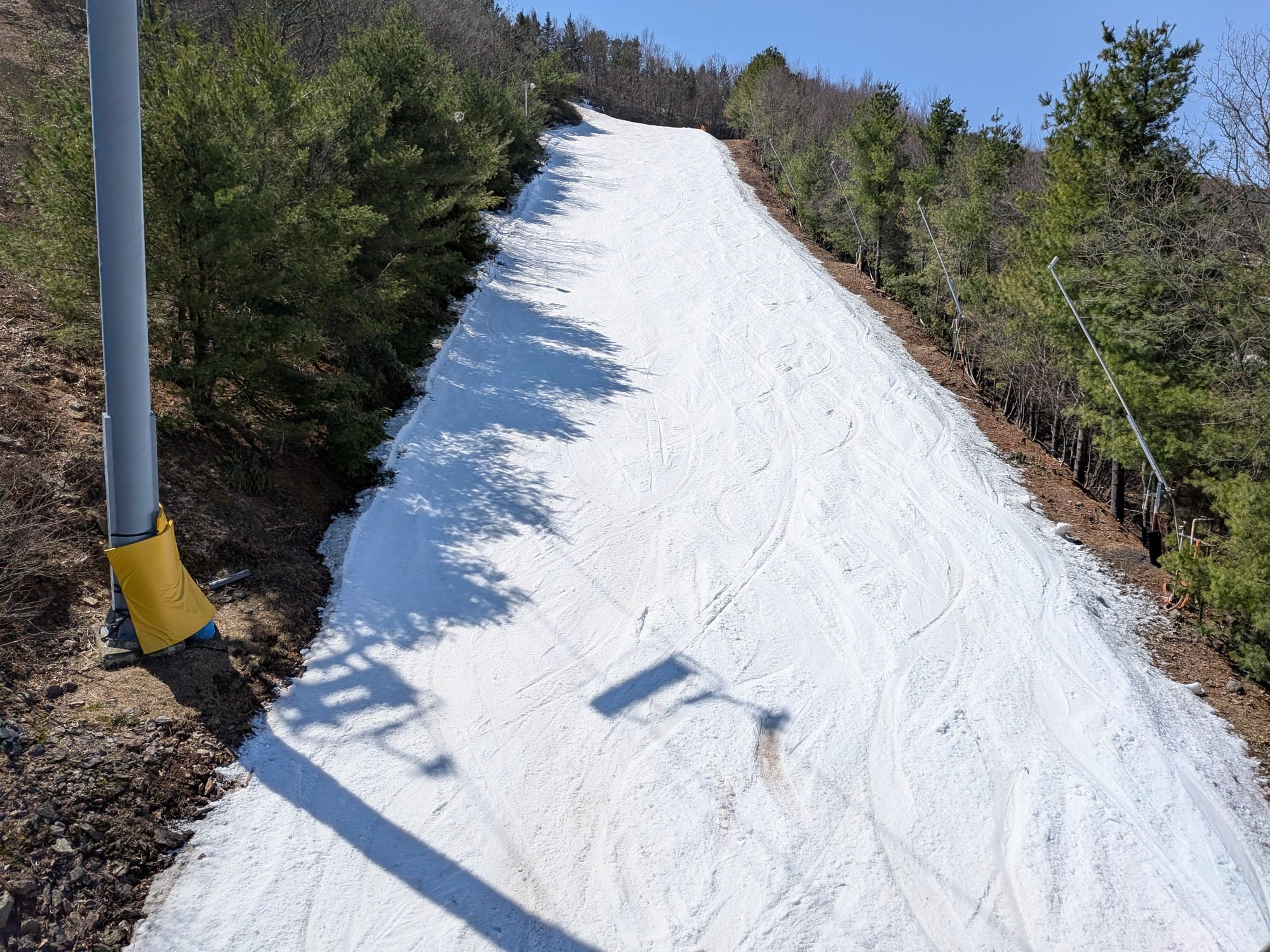
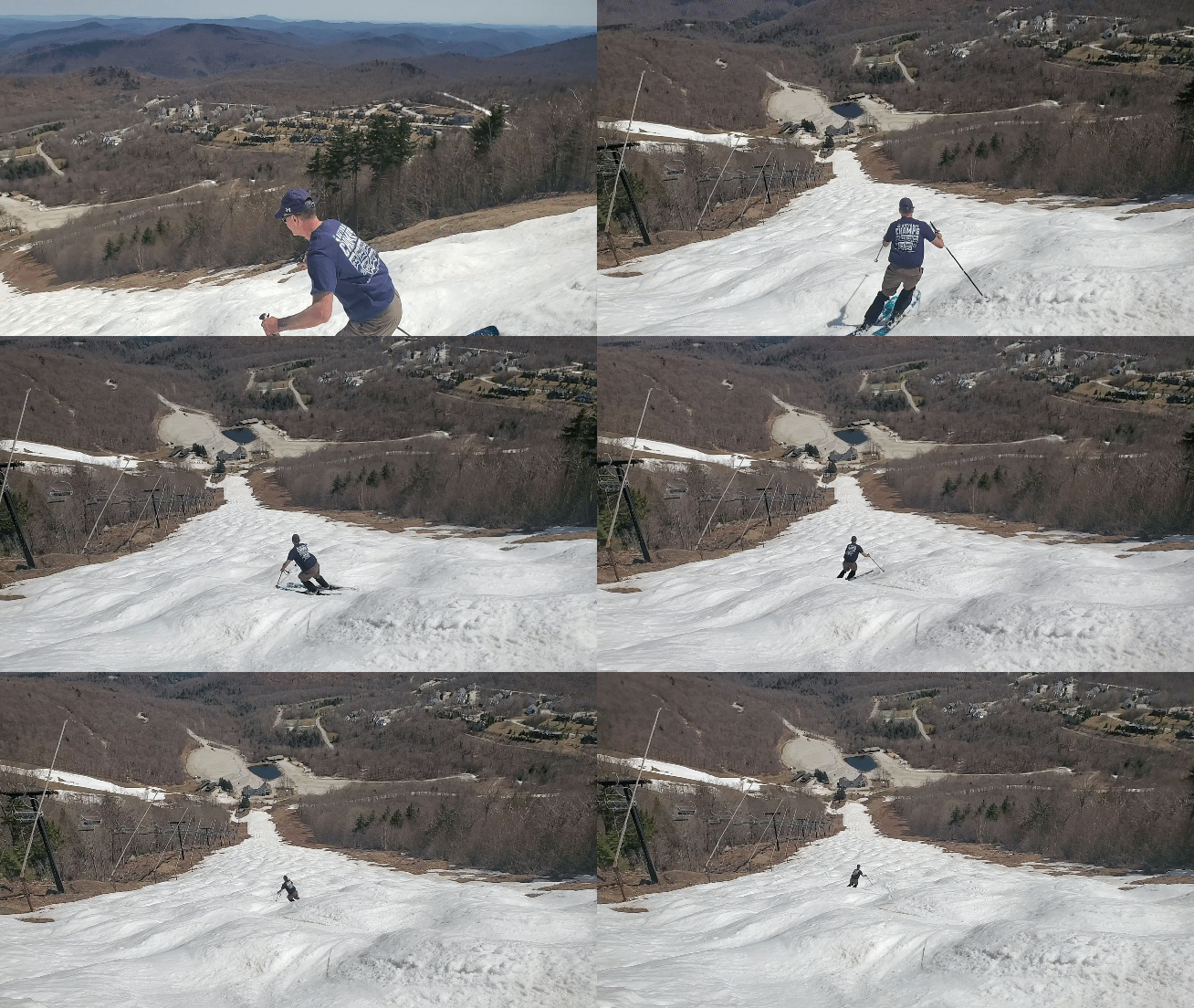
On May 5th, 2026, there was exactly one ski resort open on the entire East Coast running daily operations. It wasn’t Killington. It wasn’t Sunday River. It was Camelback Mountain in the Pocono Mountains of Pennsylvania — and the skiers were coming from four states away to get there.
Let that sink in. The big corporate operators your Boynes, your Vails, your Alterra properties — have spent years conditioning us to believe that spring skiing is a niche afterthought. A bonus if you’re lucky. Not worth the snowmaking investment, not worth the staffing, not worth the operational complexity. Close in March, sell the season passes for next year, move on.
Camelback just blew up that entire narrative. And honestly? Good.
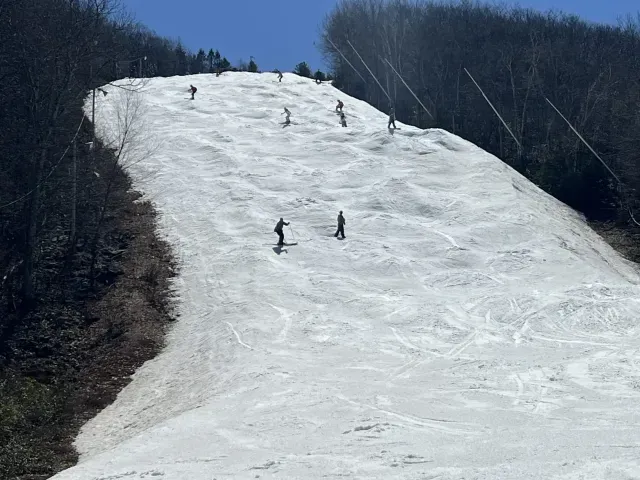
138 Days. Pennsylvania. Think About That.
Camelback officially closed its 2025/26 season on Tuesday, May 6th, wrapping up with a Cinco de Mayo Beach Party that turned into the mountain’s swan song. A combination of heavy rain and a warm forecast finally ended the run — Mother Nature always wins, but not before the resort logged something that no Pennsylvania ski area had ever done before.
138 days of operation. A Pennsylvania record. Six months of active snowmaking. The only East Coast resort running daily on May 5th.
Snowmaking kicked off November 10, 2025. They ran guns across six calendar months — November through April. By early January the mountain was nearly 100% open. They opened first in Pennsylvania on December 3rd. And then they just… kept going. While other mid-Atlantic and Northeast resorts were shutting down or retreating to weekend-only operations in March and April, Camelback kept sending it.
The result? Skiers and riders drove in from Cleveland, Chicago, Nashville, and Charlotte. When was the last time someone from Tennessee drove to Pennsylvania to ski? That doesn’t happen by accident. That happens when you’re the only game in town, and you’ve earned the reputation to back it up.
New Leadership, New Culture, New Results
Here’s the part of the story that resonates most with me as a developer and a business observer: this transformation didn’t come from a capital infusion or a new chairlift. It came from a leadership change.
Jason Bays, VP and GM of Camelback Mountain Resort, took over heading into this season and immediately shifted the culture. And the results were almost instantaneous.
“The amount of positive energy surrounding Camelback this winter was, honestly, incredible to watch unfold. The support from this community spread across social media, ski forums, national ski pages, and conversations all over the East Coast.” — Jason Bays, VP & GM, Camelback Mountain Resort
For years, locals had written Camelback off. Long lift lines, short-staffed operations, an indifferent attitude toward the skiing and riding experience. The mountain had diversified heavily into waterparks, coasters, ziplines, and hotel operations, all legitimate revenue streams — but had seemingly lost the thread on the core product: skiing.
Bays refocused. He recommitted to snowmaking, to guest experience, to the idea that if you’re going to call yourself a ski resort, you’d better actually ski. Former regulars came back. New skiers showed up for the first time. And the national ski media took notice. The GM sent a letter to guests at season’s end calling it a point of pride for the resort and its team. That’s not corporate boilerplate, that’s a leader who actually cares.
The lesson here isn’t complicated: when management treats guests right, treats the product right, and invests in the mission, people show up. Geography and elevation matter, but they’re not destiny. Leadership is destiny.
The Corporate Ski Model Gets This Wrong Every Time
Look, I’ve been a Sunday River passholder for years. I’ve watched Boyne operate a world-class mountain and then make baffling decisions, closing Sunday River weeks earlier than their Michigan properties when New England snow conditions were still strong, leaving money and goodwill on the table. I’ve written about it at length. It’s frustrating.
The corporate ski model optimizes for the balance sheet of a holding company, not for the experience of the skier. Spring skiing is messy. It requires labor, snowmaking investment, operational flexibility, and a genuine read on what your guests actually want. Big operators would rather close, run skeleton crews, and pocket the savings.
Camelback, a resort with a waterpark, for crying out loud, just out-skied everyone in the Northeast for two months straight. The demand was there. It was always there. Someone just had to care enough to meet it.
“We are already working on making next season even bigger, snowier, and more fun. And yes… for everyone already asking: We absolutely plan to make another late-season push next year. Bigger. More snow. More events. More spring skiing.” — Jason Bays, Camelback Mountain Resort
Who’s Still Riding? The Independents Holding the Line
Camelback wasn’t completely alone at the end. A handful of independent and community-minded resorts kept their lifts spinning into May, and they deserve recognition. These are the operators who read their terrain, read their guests, and made the call to keep going when the corporate playbook said close:
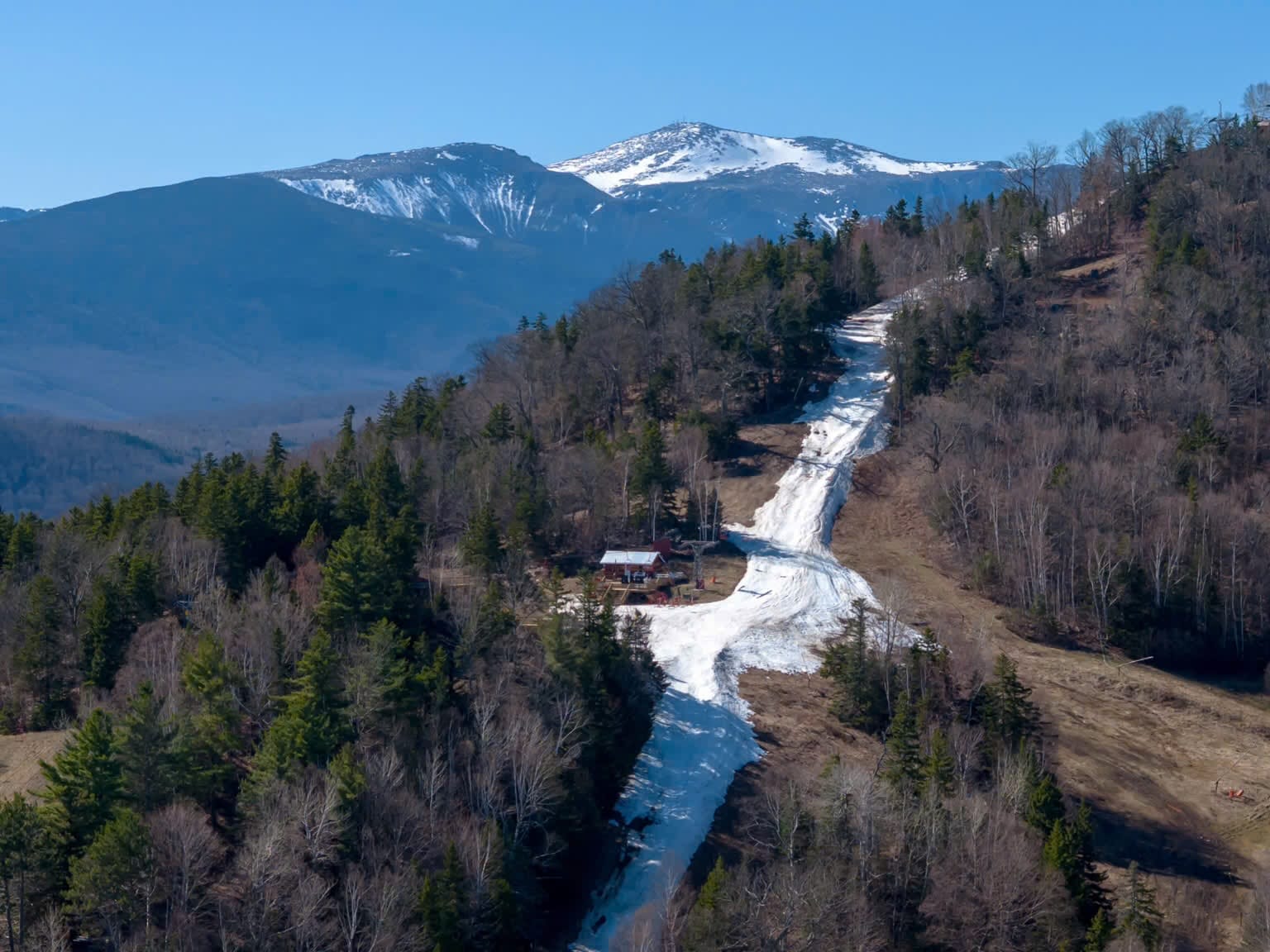
Black Mountain — New Hampshire: Still open as of this writing, with Bathing Suit Day on Saturday and a Mother’s Day brunch Sunday. Running 9 AM to 7 PM Saturday, 9 AM to 5 PM Sunday. The little mountain that could — and did.
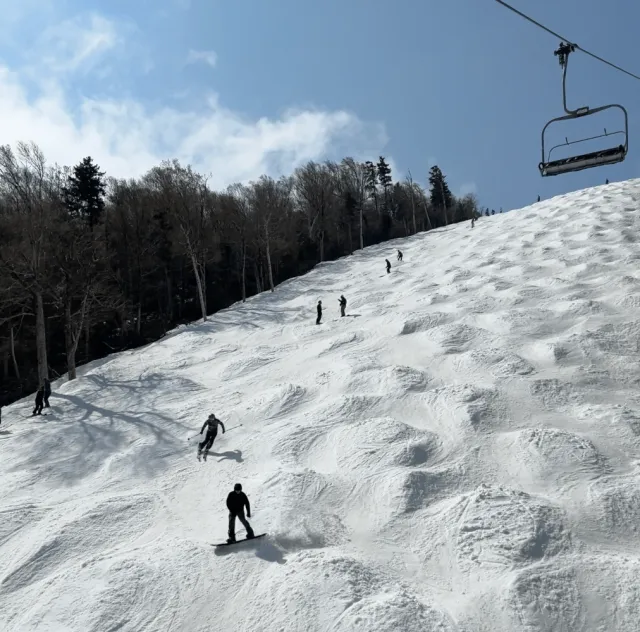
Killington — Vermont: The Beast of the East living up to its name. One of only a handful of Northeast resorts with lift-served skiing still on the schedule this weekend. No surprise — Killington has long been the standard-bearer for extended seasons.
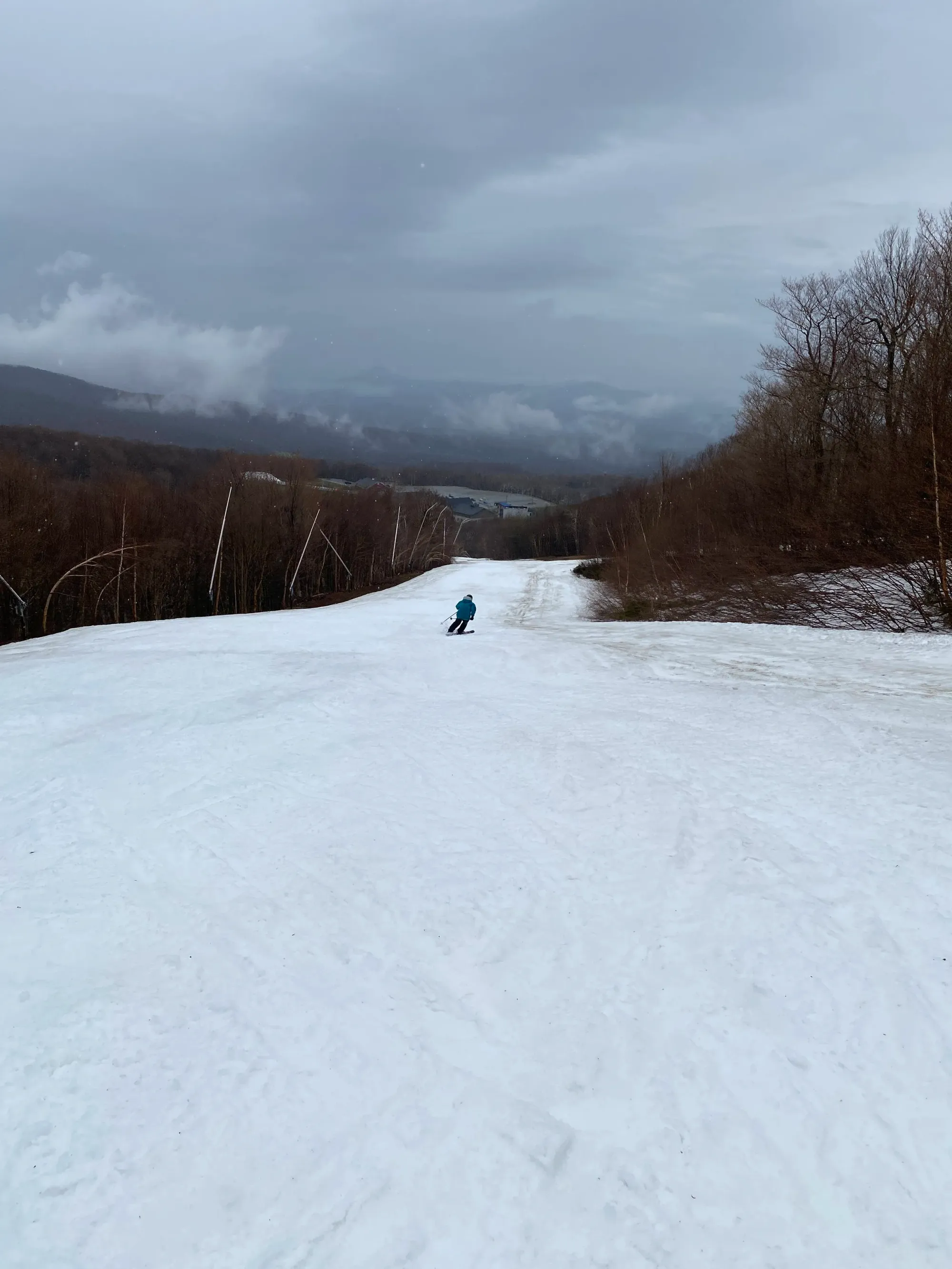
Jay Peak — Vermont: Jay’s northern Vermont location and legendary snowpack keeps it in the game deep into spring. One of the last lifts spinning in the Northeast this weekend alongside Killington.
Notice anything about that list? Black Mountain is a small independent. Killington fought for years to break away from the corporate ownership model. Jay Peak has stayed rooted in the Vermont ski community. These aren’t Vail resorts. These aren’t Boyne properties. These are operators who understand that the skiing is the point.
The Bigger Picture
I write about real estate and development because I believe deeply in the idea that what you build, and how you steward it, reflects your values. Ski resorts aren’t so different. They’re hospitality businesses sitting on irreplaceable land, serving a community that chose them — often for generations.
When Camelback’s GM writes to his guests saying “thank you for believing in us, believing in this mountain, and helping us bring Camelback back to life” — that’s a developer who gets it. The mountain didn’t change. The terrain didn’t change. The snowmaking infrastructure was already there. What changed was the intention behind how it was all operated.
Camelback’s 2025-26 season will go down in the Pennsylvania record books. But more than that, it should go down as a case study in what’s possible when someone in the seat actually cares. Proximity to 20 million people in the New York-Philadelphia-New Jersey corridor makes Camelback prime real estate — and for the first time in a long time, it’s being operated like it knows that.
The corporate ski world will keep doing what it does. But the proof of concept is sitting right there in the Poconos, closing on a Wednesday in May after a beach party, with skiers from Chicago still bummed they have to go home.
That’s not a niche market. That’s unmet demand. And the operators smart enough to recognize it will own the next chapter of this industry.
Spring skiing isn’t dying. It’s just waiting for someone who actually wants to run a ski resort to show up and run one.
Daniel Kaufman · @DanSkiAndBuild